

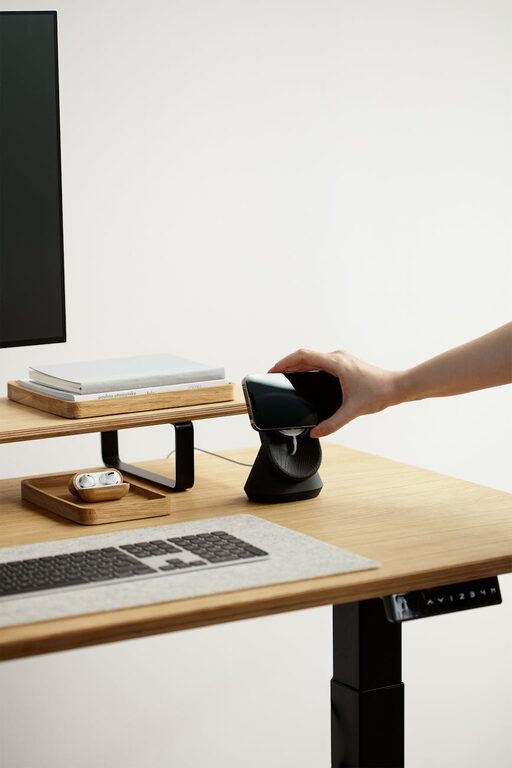
Creating a home office that is both cozy and productive can significantly improve your work experience. Whether you’re working remotely full-time or need a dedicated space for occasional tasks, the right setup helps you stay focused, comfortable, and motivated. This guide offers practical tips on designing a home office where you enjoy spending your time while being efficient.
Why a Cozy and Productive Home Office Matters
A workspace affects how you feel and work. A cluttered or uncomfortable environment can lead to distractions and stress. Conversely, a well-designed home office encourages a positive mindset and keeps you organized. When your office feels cozy, it invites you to sit down and work without hesitation.
—
Choosing the Right Location
Find a Quiet Spot
Look for a place in your home with minimal noise and foot traffic. If possible, choose a separate room or a quiet corner where you can focus without interruptions.
Consider Natural Light
Natural light helps improve mood and alertness. Set up your desk near a window to take advantage of daylight. If natural light is limited, invest in good quality lighting that mimics daylight.
—
Furnishing Your Home Office
Comfortable Chair
Your chair is one of the most important pieces. Select an ergonomic chair that supports your posture, especially if you spend long hours sitting.
Desk Size and Shape
Choose a desk size that fits your available space but is large enough to hold your computer, notebook, and any essential tools. L-shaped or adjustable desks can offer flexibility.
Storage Solutions
Incorporate shelves, drawers, or filing cabinets to keep documents and supplies organized. Keeping surfaces tidy helps reduce mental clutter.
—
Enhancing Comfort and Ambiance
Personalize the Space
Add personal touches like photos, plants, or artwork. These elements make the office feel more welcoming and less sterile.
Temperature and Ventilation
Maintain a comfortable temperature with adequate ventilation. A small fan or heater can help you control your environment during different seasons.
Soothing Colors
Paint the walls in calming colors like soft blues, greens, or neutrals. These shades can create a peaceful atmosphere conducive to concentration.
—
Organizing for Productivity
Declutter Regularly
Keep your desk clean and free of unrelated items. A clutter-free space helps you focus and feel less overwhelmed.
Use Organizers and Trays
Desk organizers, trays, and cable management tools help keep essential supplies within reach and eliminate visual distractions.
Plan Your Workflow
Arrange work materials according to your habits. For example, place frequently used items close by, and store less-used supplies farther away.
—
Technology and Tools
Reliable Internet and Equipment
Ensure you have a stable internet connection and reliable devices like a computer, printer, or scanner. Efficiency depends on having tools that work smoothly.
Monitor Placement
Position your monitor at eye level to reduce neck strain. Use stands or adjustable arms if needed.
Use Headphones or Speakers
Noise-cancelling headphones or speakers can help you focus, especially in a shared household.
—
Creating Boundaries and Routines
Set Work Hours
Define your working hours clearly to separate work time from personal time, which helps maintain work-life balance.
Break Area
If space allows, designate a small spot for breaks. Stepping away from the desk occasionally refreshes your mind and body.
Minimize Distractions
Inform household members of your schedule and establish guidelines. Use apps or tools to block distracting websites during work hours.
—
Bringing Nature Indoors
Add Indoor Plants
Plants improve air quality and add a touch of nature. Choose low-maintenance plants like pothos, succulents, or snake plants.
Natural Elements
Incorporate wooden items, woven baskets, or stone décor to create a natural, grounding feeling.
—
Lighting Tips for Long Workdays
Layered Lighting
Use a mix of overhead lighting, task lamps, and ambient light to reduce eye strain and create a warm atmosphere.
Adjustable Lighting
Select lamps with adjustable brightness or color temperature to suit different tasks and times of day.
—
Final Thoughts
Designing a cozy and productive home office is about balancing comfort with functionality. By carefully choosing your location, furniture, and organization methods while adding personal and natural touches, you create a space that motivates you to work efficiently. Remember, a home office should reflect your needs and preferences, so don’t hesitate to experiment and adjust until it feels just right.
With these tips, you’re well on your way to building a home office that supports both your well-being and productivity. Happy designing!