

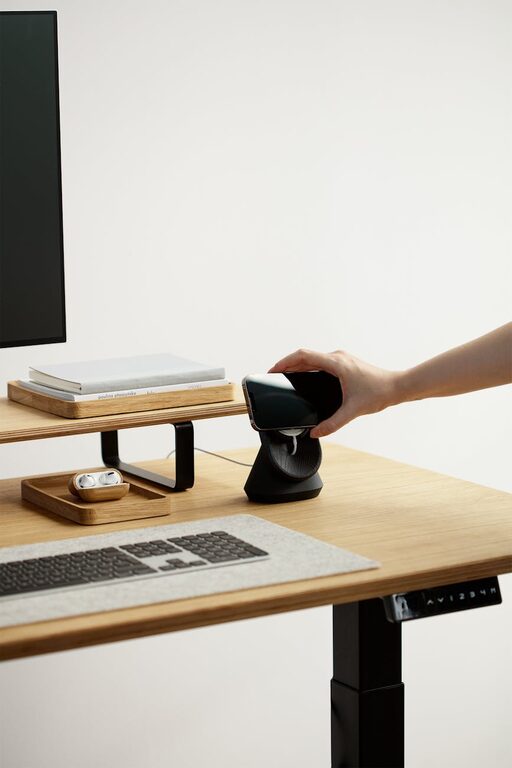
Creating an efficient and comfortable workspace can seem challenging when you’re limited on space. However, organizing a small workspace thoughtfully can significantly boost your productivity and make your work routine more enjoyable. Whether you work from home or in a compact office, applying practical strategies to manage your area will help you stay focused and comfortable throughout the day.
Why Organizing Your Small Workspace Matters
A cluttered and disorganized space can increase stress and reduce your ability to concentrate. On the other hand, a well-organized workspace minimizes distractions, enhances your workflow, and supports healthy habits, such as maintaining good posture and reducing eye strain. Even small changes can make a big impact when your workspace is tight.
Assess Your Needs and Prioritize
Identify Your Essential Tools
Start by listing the items you use daily—such as your computer, notebooks, pens, and chargers. Focus on keeping only these essentials within easy reach to avoid overcrowding your desk.
Consider Your Work Style
Are you mostly on the computer, or do you frequently write by hand or use multiple devices? Knowing how you work helps decide the best layout and storage.
Smart Storage Solutions
Use Vertical Space
Make good use of wall space by installing shelves, pegboards, or wall-mounted organizers. This frees up desk surface area while keeping supplies accessible.
Invest in Multi-functional Furniture
A desk with built-in drawers or shelves can help store items neatly. Consider a filing cabinet that doubles as extra seating or a rolling cart for flexible storage.
Use Drawer Organizers and Containers
Small compartments or boxes inside drawers help separate items like stationery, cables, and paper clips. This prevents clutter and saves time searching for things.
Optimize Your Desk Layout
Keep Your Desk Clear
Limit desk items to what you need for your current task. Store other items away to maintain a clean work surface.
Position Your Monitor Correctly
Place your computer monitor at eye level and about an arm’s length away to reduce neck strain and eye fatigue.
Arrange for Comfortable Seating
Choose a chair that supports proper posture. Ensure your feet touch the floor or a footrest and your arms rest comfortably on the desk.
Lighting and Ambiance
Use Natural Light When Possible
Position your workspace near a window for natural light. It improves mood and reduces reliance on artificial lighting.
Add Task Lighting
A good desk lamp with adjustable brightness helps when working in the evening or on detailed tasks.
Personalize Thoughtfully
Add small personal touches like a plant, photo, or artwork to make your space inviting but avoid cluttering the area.
Keep Cables and Electronics Tidy
Employ Cable Management Tools
Use cord clips, sleeves, or boxes to organize cables and keep them off your desk and floor.
Charge Devices Efficiently
Designate a specific spot for charging electronics to avoid tangled wires and misplaced chargers.
Maintain Regularly
Daily Quick Tidy
Spend a few minutes at the end of each day clearing your desk and putting items back in their place.
Weekly Declutter
Review your workspace weekly to remove unnecessary papers, trash, and items you no longer use.
Reassess Arrangement Periodically
Adjust your setup if your tasks or tools change to keep your workspace functional.
Additional Tips for Small Spaces
– Use Clear Containers: Transparent storage helps you quickly identify contents.
– Opt for Foldable or Stackable Items: These save space when not in use.
– Keep Frequently Used Items Front and Center: Less used tools can be stored farther away.
– Create Zones: Designate specific areas for computer work, paperwork, or creative tasks if space allows.
Conclusion
Organizing a small workspace may require some planning and creativity, but the benefits are well worth the effort. By prioritizing your needs, choosing smart storage solutions, maintaining cleanliness, and optimizing your desk layout and lighting, you’ll build a comfortable environment that supports your productivity and well-being. Start small, make adjustments, and watch your workspace transform into a functional and pleasant place to work.